Important information
RSV fact sheet publication
New guidance has been published regarding the RSV Vaccinations, please click on the link below to read more
ADHD Shared Care - Adults
Following advice that Cheshire and Merseyside Partnership (CWP) is no longer accepting new ADHD referrals due to demand and capacity pressures, we have been advised that for patients to receive ADHD referrals, we must direct them to the NHS Right to Choose pathway.
Patients are currently signposted to the ADHD UK website Right to Choose - ADHD UK to review available providers and select the service they would like to be referred to. Once a provider has been chosen, patients are asked to complete the relevant documentation and return it to the practice so that the referral can be processed. We also provide links and guidance on how to complete and submit the required paperwork.
If you go privately, we are unable to provide further monitoring. Your ongoing care needs to be managed and monitored by your private consultant.
Proposed Process Going Forward
To ensure a more consistent approach, the process going forward is as follows:
- The GP should determine whether the patient's symptoms meet the NICE threshold for an ADHD referral.
- Where the criteria are met, the GP should make the referral on the patient's behalf via the electronic referral system , after the patient has chosen a provider through the ADHD right to choose pathway.
- Patients seeking a face-to-face assessment should be offered appropriate Right to Choose providers available to our population, through Quayside Health Centre or Clinical Partners NHS.
- Patients may choose alternative Right to Choose providers; however, many of these services operate virtually only. Whilst they can provide an assessment and diagnosis, they may not be able to initiate medication where face-to-face reviews are required as part of the prescribing pathway.
ADHD Shared Care - Paediatric
Holmes Chapel Health Centre does not have the clinical capacity or specialist support needed to safely take on new shared care arrangements for children and young people under 18 receiving ADHD treatment through independent or NHS Right to Choose providers. For this reason, we are unable to accept any new paediatric ADHD shared care agreements
This is because ADHD medication requires specialist oversight and monitoring, and we do not currently have access to the specialist support needed to safely take on this responsibility. Therefore, prescribing and monitoring must remain with the specialist service that initiated treatment.
This decision has been made on the grounds of patient safety and clinical capacity and does not affect a child's ability to continue receiving ADHD medication from their specialist provider.
We understand this may be disappointing for families and continue to raise concerns about local ADHD service provision with NHS organisations.
- We do not routinely accept new ADHD shared care agreements for patients under 18.
- We do not accept ADHD shared care requests from Private providers.
- Responsibility for prescribing and monitoring remains with the specialist service where shared care is declined
For more information please visit the link below:
www.mymind.org.uk/services-and-contacts/cheshire-services/cheshire-adhd-autism-service
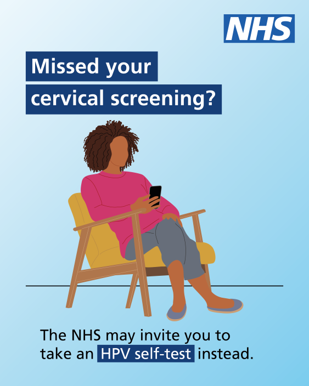
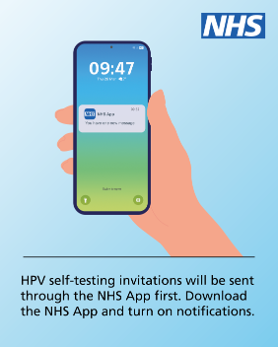
Human papillomavirus (HPV) self-testing as part of the NHS Cervical Screening Programme
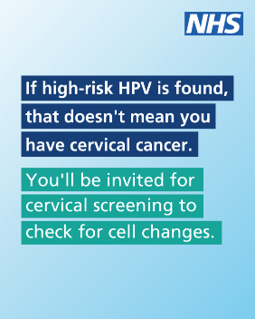
The UKNSC has recommended the NHS implements Human papillomavirus (HPV) self-testing as part of the NHS Cervical Screening Programme. It does not replace the primary cervical screening test.
Invitation to take part in HPV self-testing is initially limited to an eligible group of women and anyone with a cervix aged 30 to 65, who have not attended cervical screening following previous invitations.
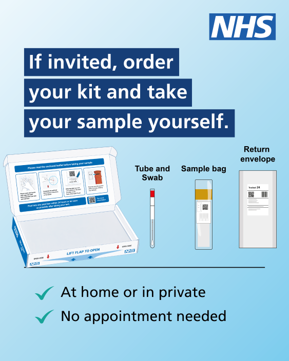
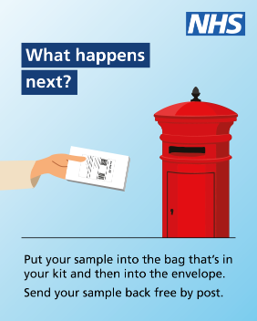
HPV self-testing is different from cervical screening. You can do it yourself, in private. The test involves inserting a swab (a bit like a cotton bud) a few centimetres into your vagina to collect a sample. You then post the sample back to the NHS for free, where it is checked for high-risk HPV.
Local Slimming World Group Details
Our local groups currently support around 70 residents on their weight loss journeys, helping many improve their overall health, manage long-term conditions, and build lasting fitness. We are currently sharing findings from new independent research conducted by the University of Bristol. The study—published in BMJ Paediatrics Open—demonstrates that when parents participate in weight management programmes like Slimming World, it creates a positive ripple effect on their children's eating and exercise habits.
You can read Lorraine's Story, a member who attends my group, to see the real-world health impact of this approach. Teaching families positive, healthy habits for the future is a cause close to my heart, and we would love to make this information readily available to your patients. Lorriane is a Member that attends our Holmes Chapel Group
As Holmes Chapel falls within Cheshire East, eligible patients can access funded support via local referral routes:
- One You Cheshire East (12 Free Weeks): Local residents aged 18+ with a BMI over 25 may be eligible for 12 weeks of free membership funded through Slimming World Explained 2026 - V2 - DIGITAL.pdf. Patients or clinical staff can contact them on 0300 123 5026 to check eligibility.
I have attached three resources for your practice folder or clinical team:
- Family Affair Booklet: Details the positive impact parental weight loss has on overall family lifestyle choices.
- Health Professionals Booklet: Explains how our community programme complements primary care guidance and clinical pathways.
- Weight Loss Medication Support Booklet: Highlights how we support members taking weight loss medication alongside our Food Optimising nutrition plan.
Important information regarding Mounjaro
We appreciate that this may be disappointing. However, it is important that monitoring arrangements remain with the clinician who is overseeing your treatment to ensure your care is safe, appropriate, and properly coordinated.
If NHS prescribing arrangements for weight-management medications change in the future and you meet the relevant NHS eligibility criteria, we will be happy to discuss the options available to you.
Accurx Scribe
From the 8th of December, your GP may ask to use 'scribe' during your appointment.
Accurx Scribe is a new note taking tool, that helps GPs write up their notes from your consultation, meaning they can focus more on speaking to you and less on the computer screen. Scribe will record every detail of the conversation as it happened meaning that more comprehensive notes can be made and in more detail!
Here’s what you need to know:
- The Scribe hears the conversation and types up relevant notes – It works by listening to the conversation with your GP and typing up notes, so the GP can focus more on you. It’s only interested in medical information relevant to your care.
- The Scribe uses some simple AI – The Scribe is built by a team led by doctors and uses some basic AI to turn the conversation into clear notes to support your care and help the doctor save time.
- Your GP checks all the notes – Your GP will review and edit notes before saving them to your medical record – nothing is added to your medical record by the Scribe. All decisions about your care are made by your doctors.
- Your conversations are private – The technology follows all the necessary UK data, privacy rules and NHS standards. Your voice recordings are not stored with Accurx Scribe. Only what your GP decides is needed is saved to your medical record.
- It’s always your choice – If you’re not comfortable using a Scribe, do ask your GP for more information on how it works. If you feel uncomfortable, you can let the GP know and ask them not to use it.
For more information, please see the documents attached.
We are a Veteran Friendly accredited Practice!
A veteran friendly accredited practice is a GP practice that has been recognised by the Royal College of General Practitioners (RCGP) and the UK Government for its commitment to providing care and treatment tailored to the unique health needs of veterans and their families. These practices are equipped to better identify and manage veterans, ensuring they receive the appropriate support and services. The accreditation involves specific training for clinical leads, adherence to health commitments, and a commitment to improving the understanding and care of veterans' health requirements.
For frequently asked questions and more information have a look at the leaflets below:
Consulting Abroad
To ensure you receive the safest and most appropriate care, NHS guidelines mean we’re unable to provide medical consultations while you’re abroad. This includes, telephone consultations and video consultations as well as any verbal or digital conversations with any member of the Practice team. GP's and medical professionals are in breach of their NHS indemnity if they do so, please don't put them in a difficult position. If you need help during your travels, please access local medical services, and we’ll be ready to support you as soon as you’re back home.
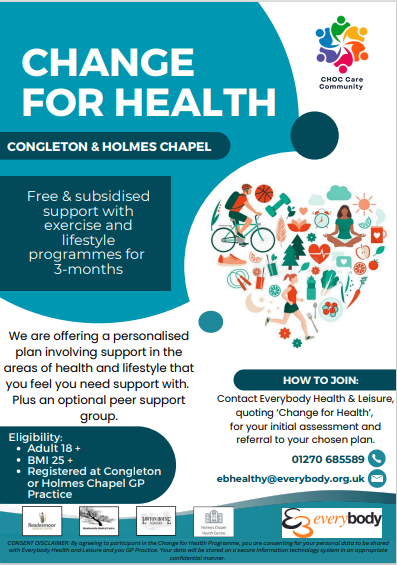
Change for Health Congelton & Holmes Chapel
You and your General Practice
This guide tells you what to expect from your general practice (GP) and how you can help them, so you get the best from the National Health Service (NHS). More details can be found through the links below.
When and how can you contact your general practice?
Your general practice is open from 8.00am to 6.30pm, Monday to Friday.
Throughout these hours you, or your carer on your behalf, can:
- Visit the practice
- Call them
- Go online using the practice’s website or the NHS App.
You can choose the way you contact your practice based on what is best for you. Some practices may have longer hours or may ask that you contact them via phone or in person for urgent queries.
What if the practice is closed?
If you need urgent help for your physical or mental health when the general practice is closed, and you cannot wait until they open, go online to 111.nhs.uk or call 111. They will tell you what to do next.
What if it’s an emergency?
If it’s a serious or life-threatening emergency, go straight to A&E (Accident and Emergency) or call 999.
What happens when you contact your practice to request an appointment?
Whether you make your request by phone, on-line or visiting your practice, you may be asked to give your practice some details so that they can assess what is best for you based on your clinical need. The practice team will consider your request for an appointment or medical advice and tell you within one working day what will happen next.
This could be:
- An appointment that day or a subsequent day
- A phone call that day or a subsequent day
- A text message responding to your query
- Advice to go to a pharmacy or another NHS service.
Your practice will decide what is best for you based on your clinical need.
Your practice cannot tell you to just call back the next day.
Who might help you?
You might be offered a face-to-face appointment or a phone call with a GP or other member of the practice staff, like a nurse or pharmacist.
If you have a carer, they can speak for you with your consent.
You can ask to see a preferred healthcare professional, and the practice will try to meet your request, although you might have to wait longer for that person to be available.
It can be helpful to see the same healthcare professional, particularly if you have a long-term health condition.
From what age can you see a GP on your own?
If you are 16 or older, you can make and go to appointments by yourself.
If you are under 16, you can still ask to see a GP without your parent or guardian. The GP will decide if that’s appropriate for you.
What if you need extra help?
If you do not speak English, you can ask for interpretation services in your preferred language when you make an appointment.
If you need extra help like longer appointments, a quiet space, wheelchair access, or information in a different format, tell your practice and they will try to help.
How do you choose a general practice?
You can:
- Call or visit a local practice
- Use Find a GP online.
If you want to change to a new general practice you can do so at any point. Most people have a few choices nearby.
Do you need ID or proof of address?
No, you do not need ID, an NHS number or proof of address. It can help the practice if you do, but it is not needed to register or see a GP. You can also register with a practice if you are homeless.
Can a practice say no to registering you?
They must write to you within 14 days if they say no and explain why. A practice can only say no for a good reason, like if you live too far away or their patient list is closed. For example, they cannot say no for reasons such as immigration status, not having a permanent address, or for reasons connected with other characteristics protected under equalities legislation.
Can you choose which hospital or clinic you are referred to?
If your GP needs to refer you for a physical or mental health condition, in most cases you have the right to choose the hospital or service you’d like to go to. You can get further information on your right to choose on the nhs.uk website.
If you are new to the UK
You can still register with a GP. It’s free to use and your immigration status does not affect your right to register with a GP.
If you are away from home but still in the UK
If you are away from home for more than 24 hours (but less than 3 months), you can register as a temporary patient near where you’re staying.
You can also change your nominated pharmacy so you can get your medicine nearby. You can do this by contacting your practice or via the NHS App.
Do general practices charge for anything?
NHS GP services are free. Sometimes, if you ask the GP to do private work (like writing a letter for insurance), they may charge a fee.
How should everyone be treated?
The practice should treat everyone fairly, kindly and respectfully. Likewise, you should also treat staff with respect. The practice can remove patients from their list if they are violent or abusive to staff.
To learn more about your rights, you can read the NHS Constitution.
How can you help your general practice?
- Be prepared: Before an appointment, think about writing down your symptoms, what you are worried about and what you want to talk about.
- Be on time: Being late for an appointment or being unavailable for a timed call-back can affect other patients.
- Cancel if needed: If you can’t go to your appointment, tell the practice as soon as you can, so that they can offer it to someone else.
- Use the NHS App or website: If you’re confident using smart phones or computers, you can book or cancel appointments, order repeat prescriptions, and see your test results online.
- Turn on notifications: If you use the NHS App, turn on notifications so the practice can contact you more easily. Please keep an eye out for messages.
- Order repeat medicines on time: Make sure you ask for repeat prescriptions on time, so you don’t run out, and only order what you need.
- Join the Patient Participation Group: You practice will have a group of patients who can offer feedback on the services it delivers. Your practice website should explain how you can join.
How can you give feedback or raise concerns?
If you want to give feedback, raise a concern or wish to make a formal complaint, ask to speak to the practice manager. If you don’t feel comfortable doing this, contact your integrated care board (ICB) – the local NHS body that oversees GPs practices. You can find your local integrated care on the NHS England website.
You can also give feedback about your practice to your local Healthwatch. Their job is to make sure NHS leaders and other decision-makers hear your voice and use your feedback to improve care. Healthwatch is independent and impartial, and any information you share with them is confidential. To find your local Healthwatch visit the Healthwatch website.
Publication reference: PRN01907
Car Parking at Holmes Chapel Health Centre
Cheshire East Council introduced charges for the Library car park, which created significant pressure on parking at the Health Centre. After months of discussions and unsuccessful appeals for 1 hour of free parking for patients, the Health Centre had to make changes to ensure staff can continue to work safely and accessibly.
What changed?
- The Health Centre car park became staff‑only due to limited spaces and the introduction of charges elsewhere.
- Blue Badge holders can still park on‑site, but must report to reception each time with their badge details and vehicle registration to avoid a fine.
- All other patients will need to use alternative parking, including:
- The precinct (free for up to 3 hours)
- The Library car park (free after 3pm)
Why This Is Necessary
- There are only 28 parking spaces for more than 70 staff members and increasing numbers of patients.
- Some unsafe parking has previously blocked ambulances and prevented GPs from leaving for urgent home visits.
New Parking Enforcement
- An external parking company will monitor the car park using ANPR cameras and parking rules will be enforced 24/7.
- Any breaches will result in a £100 fine, issued and managed entirely by the parking company, the Health Centre does not make any money from fines and cannot assist with appeals.
Drop‑Offs & Collections
- Patients can still be dropped off and picked up at the Health Centre.
- A very short grace period (under 10 minutes) applies—waiting is not allowed.
Medication Collection
- You may still collect medication from the Dispensary, but queues may exceed the 10‑minute grace period.
- After 3pm, the Library car park is free and may be easier for collections.
Communicare Drivers
- Communicare continues to operate.
- Drivers must report to reception with registration and ID to avoid a fine.
Visitors & Deliveries
- Visitors should report their vehicle registration to reception.
- Delivery drivers may also need to sign in at reception.
No Exceptions
- The parking company enforces the rules for everyone.
- The Health Centre cannot cancel or override fines.
Blue Badge Holder parking Process at the Health Centre
Parking Process at the Health Centre
All Blue Badge holders must supply their Blue Badge to the front desk as soon as you arrive at the Health Centre. You will be asked to input your car registration number into the tablet, under the Blue Badge Holder section of the tablet. Any Blue Badge holders who do not give their Blue Badge details to the front desk or input their registration into the tablet, will receive a £100 fine (reduced to £60 if paid within 14 days) payable to the external parking company.
The process for Blue Badge Holder parking process is as follows:
- Patients who hold a blue badge are required to park in a disabled bay (if non are available any free space can be utilized) and come to the reception desk.
- Blue Bage Holders must then present their Blue Badge details to the reception desk.
- The Reception team will then present the tablet to the Blue Badge Holder.
- The patient must add their details into the Blue Badge Holder section of the tablet.
- Blue Badge Holders must repeat this process for every visit
Patients CANNOT be added as a permanent user
Important Information:
- Blue Badge holders must park and supply their details to the front desk within the 10-minute grace period or they will receive a £100 fine, payable to the external parking company.
- Non-Blue Badge holders, Visitors who are not PCN, Trust staff, PLT reps or Communicare drivers are NOT permitted to park on the car park and will receive a £100 fine.
- Unfortunately, we have a restricted list for permanent registrations, and we must reserve this for our team. Therefore, we are not able to add Blue Badge holders to the system permanently.
- Blue Badge holders do not need to return their Blue Badge to their vehicle once registered in the Health Centre, this is because our car park is controlled by ANPR cameras and not a traffic warden.
Page created: 24 June 2025